The Complete Guide to Choosing a Wedding Photographer
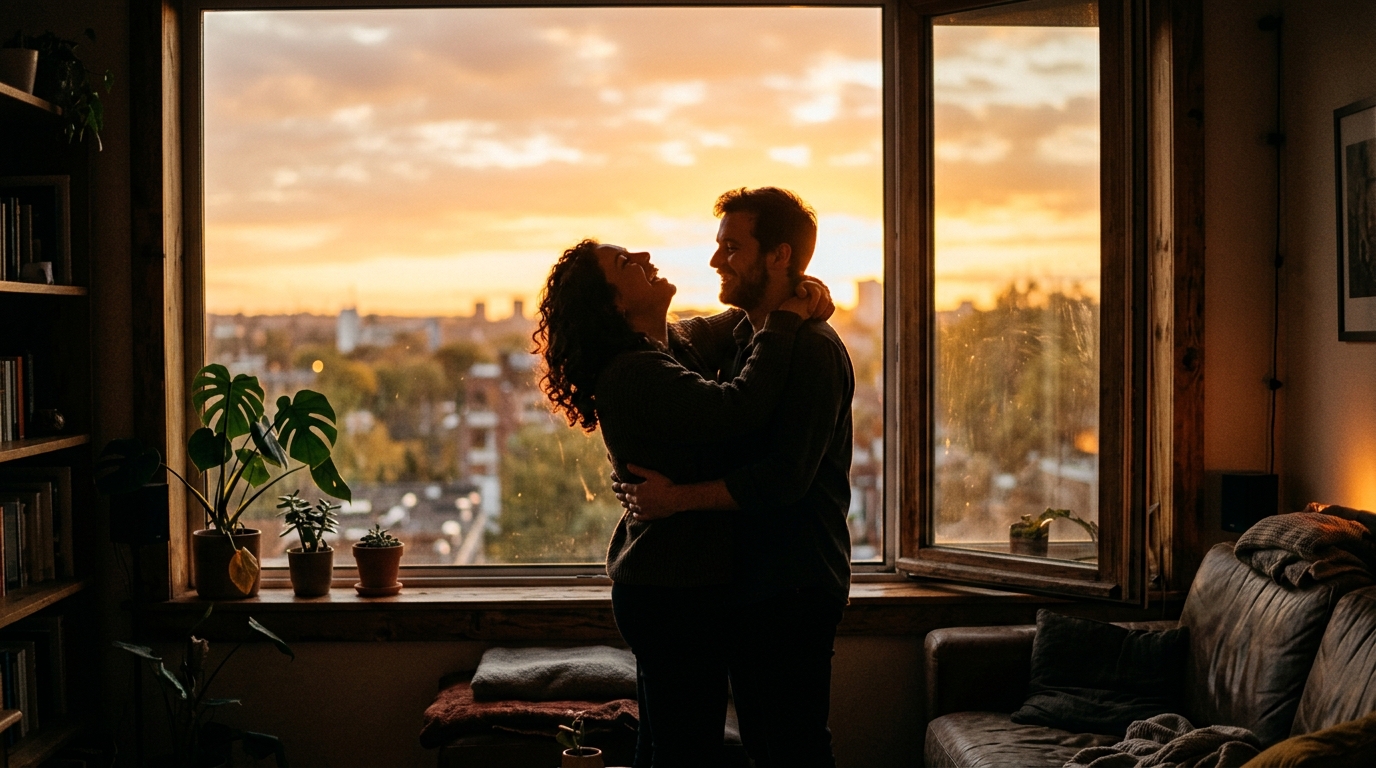
You’ll spend more hours with your wedding photographer than almost any other vendor. They’ll be there when you zip up the dress, when your dad sees you for the first time, when the dance floor turns into a joyful mess. Choosing the wrong one isn’t just a budget mistake—it’s a memory mistake. And yet, most couples book after a 20-minute coffee chat and a quick scroll through an Instagram grid. That’s not enough. So how do you choose a wedding photographer who’ll capture the day as it actually felt—not just as it looked?
How to Choose a Wedding Photographer
A photographer with 500 glowing reviews might still not be right for you. Reviews tell you they showed up on time and delivered pretty pictures. They don’t tell you whether their editing style makes your skin look like porcelain or your sunset portraits look like a creamsicle explosion. The only way to know is to look at full galleries—not just the highlight reel. Ask to see two or three complete weddings, from getting ready to the last dance. Look at how they handle a dimly lit reception hall with amber uplighting, a noon ceremony under harsh sun, a rainy first look under a clear umbrella. Consistency across all those conditions is what separates a professional from someone with a good preset.
Picture this scenario: you’re standing in a 95-degree August ceremony, sweat beading on your forehead, and your photographer is calmly swapping lenses without breaking a sweat. That calm comes from experience, backup gear, and a second shooter who knows exactly where to stand when you walk back down the aisle. Most couples discover that the in-person meeting matters just as much as the portfolio. You need someone whose presence feels like a reassuring friend, not an intrusive director. If you feel self-conscious during the engagement session, that’s a red flag—not a sign you’ll magically loosen up on the wedding day.
Questions to Ask Before Booking
Before you sign a contract, dig into the logistics. How many hours of coverage does the base package include? An 8-hour day typically yields 600–800 edited images, but a 10-hour day might be necessary if you want getting-ready candids and a sparkler exit. Ask about turnaround time. Some photographers deliver a sneak peek within 48 hours, others take 12 weeks for the full gallery. Neither is wrong, but you need to set expectations early.
Then there’s the gear question. A professional should arrive with two camera bodies, multiple lenses, and a plan for equipment failure. Ask directly: “What happens if your main camera stops working at 4 p.m.?” If they laugh and say it’s never happened, that’s not a good answer. The right response includes a backup body and an immediate switch with zero panic.
Don’t forget to clarify what you actually receive. Are the high-resolution files yours to print anywhere, or are you locked into ordering prints through the photographer’s lab? Some contracts include an online gallery with a print release; others charge extra for digital negatives. Raw, unedited files are almost never included—and honestly, you don’t want them. A professional’s editing is half the magic.
While you’re thinking about capturing authentic reactions, consider the guest experience. A photographer often focuses on the couple and immediate family, leaving dozens of heartfelt moments from friends unrecorded. Traditional photo booths and paper guest books get ignored after the first hour—lines form, props look tired, and the book sits half-empty. A Video Guestbook flips that dynamic. Guests scan a QR code with their own phones and record short video messages. No booth, no attendant, no sticky pages. You end up with spoken well-wishes you’ll actually rewatch—grandma’s shaky voice, your college roommate’s tearful toast, your nephew’s giggly “congratulations.” It’s the kind of keepsake a still image can’t deliver.
Understanding Photography Styles
Photography styles aren’t just buzzwords—they shape the entire mood of your album. Light and airy edits lean into soft pastels, blown-out skies, and a romantic, almost ethereal feel. They can make a dusty barn wedding look like a watercolor painting. Dark and moody edits emphasize deep shadows, rich blacks, and dramatic contrast; a sleek ballroom becomes cinematic, a forest ceremony turns into something out of a fairy tale. True-to-color editing keeps skin tones natural and greens looking like actual grass, which ages well but might lack the wow factor of a heavily stylized gallery. Documentary or photojournalistic photographers prioritize candid moments over posed perfection—if you hate being directed, this might be your match. Editorial photographers bring a fashion-magazine polish, often using flash and deliberate posing.
But what happens when the sun sets and the reception lighting is all amber and shadows? A photographer’s style should hold up in low light. Ask to see a full gallery that includes a dark dance floor. Some light-and-airy shooters struggle here, while documentary photographers thrive on the chaos. The right style isn’t about what’s trending on Pinterest; it’s about what makes you feel something when you flip through an album ten years from now.
Budgeting Without the Guesswork
Allocate 10–12% of your overall wedding budget to photography. For a $40,000 wedding, that’s $4,000–$4,800. Full-day coverage typically ranges from $3,500 to $7,000, with luxury studios reaching $12,000 or more. A $2,000 photographer who delivers 1,500 unedited JPEGs might cost you more in heartache than a $6,000 pro who hands over 700 meticulously edited images. Price doesn’t guarantee quality, but it often reflects experience, insurance, backup equipment, and the hours spent culling and editing after the wedding.
Hidden costs can blindside you. Travel fees for venues more than 50 miles from the photographer’s home base, a second shooter surcharge, album design fees, and rush delivery for a sneak peek all add up. Ask for an itemized quote that spells out exactly what’s included. If you’re booking a destination wedding, some photographers waive travel costs in exchange for a multi-day package—worth asking.
A surprising insight: the most expensive photographer in your area might not be the best fit for your day. A high-end editorial shooter accustomed to 300-guest ballroom affairs could feel out of place at a 40-person backyard dinner. Conversely, a documentary photographer who excels at intimate gatherings might struggle to wrangle a large bridal party. Match the photographer’s strengths to your actual event, not just your aspirational vision.
Quick takeaways
- Request to see at least two full wedding galleries—not just curated portfolios—to assess consistency in varying light conditions.
- Book 10–12 months ahead for peak-season Saturdays; popular photographers often fill 18 months out.
- Allocate 10–12% of your overall wedding budget to photography, with full-day coverage typically ranging from $3,500 to $7,000.
- Include a “must-have shot list” in your contract to avoid missed family groupings; specify names and relationships.
- Schedule a 30-minute engagement session as a low-stakes trial run to test chemistry, posing comfort, and turnaround speed.
- Confirm backup gear and a second shooter in writing; a single-camera photographer without a contingency plan is a liability.
Trust Your Instincts, Then Let Go
Once you’ve found the right photographer, the real magic happens when you let go and trust them. On the wedding day, your only job is to be present. The photos will follow. And while you’re preserving those candid moments, a video guestbook can add a layer of spoken well-wishes that a photo alone can’t capture. Your future self, watching those clips on a random Tuesday, will thank you.
Make Your Wedding Unforgettable
Let your guests leave heartfelt video messages that you'll treasure forever. Our video guest book captures the love, laughter, and emotions of your special day.
Buy on Amazon — $79You Might Also Enjoy
Wedding Anniversary Traditions: From Paper to Diamond
Traditional anniversary gifts feel predictable until you see the logic behind each material. This guide covers the full …
How to Digitize Old Wedding Photos and Videos
Old wedding photos and VHS tapes won't last forever, but a careful digitizing process can lock in those memories fo…
How to Write a Heartfelt Wedding Thank You Card
A heartfelt thank you card doesn’t require flowery prose—just a few honest sentences. Discover how to beat writer’s bloc…